

by Kim Caley
For years, I walked into classrooms with a heart full of passion and a head full of ideas, ready to inspire the next generation. But I was also a learner—learning about my students, refining my craft, and, perhaps most importantly, learning to grow myself.
In the early years of my career, professional development (PD) meant attending sessions. Often led by experts, these sessions involved sitting, listening, and taking notes. Sometimes, they were inspiring; other times, the content felt disconnected from my day-to-day classroom needs. Still, I understood their value. They were opportunities to learn new strategies, reflect on my practice, and sharpen my skills. But they were also one-size-fits-all experiences—sometimes helpful, other times not so much.
As I gained more experience in my role, I moved from simply attending PD sessions to presenting them. I started feeling a deeper sense of responsibility to share my knowledge and create spaces where teachers could grow. However, I noticed that despite my best efforts, there was still a gap between the learning I was offering and the diverse needs of my colleagues. I realized the one-size-fits-all model I had experienced wasn’t effective for everyone. Teachers needed more flexibility. They needed PD that fit their needs, context, and goals.
Fast-forward to today, and I find myself in a new role—one that feels both exciting and fulfilling. I now work in an office dedicated to professional learning, collaborating with colleagues to design and offer personalized learning paths for teachers. I’ve seen firsthand how the shift from traditional PD models to personalized, teacher-driven growth empowers educators to take charge of their development.
The change in how PD is offered has been nothing short of transformative. Teachers are no longer constrained by pre-set agendas or one-size-fits-all content. Instead, they have the opportunity to curate their professional growth. They can select learning paths that align with their unique needs, interests, and teaching contexts. There’s something for every educator, whether it’s delving into new strategies for engaging students, exploring social-emotional learning, or learning to integrate technology more effectively.
One of the most exciting additions to this new landscape is the rise of micro-credentials. These digital badges allow teachers to prove their mastery of specific skills, from differentiated instruction to classroom management to data-driven decision-making. Teachers can now pursue these micro-credentials at their own pace, earning recognition for their accomplishments while enhancing their skill set. What makes these credentials so powerful is their relevance. They’re not just a box to check—they reflect real, applied knowledge that teachers can immediately use in their classrooms.
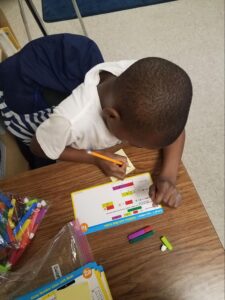 The flexibility that personalized learning paths provide has created new opportunities for teachers to grow in ways that are relevant to them. A teacher working in a school with a diverse population might focus on culturally responsive teaching strategies, while a teacher in a technology-rich classroom may pursue advanced digital literacy training. The beauty of this new model is that it meets teachers where they are and allows them to build upon their strengths.
As a veteran teacher, it’s incredibly rewarding to see this shift. I’ve always believed that learning is a lifelong journey, and it’s inspiring to watch my colleagues—and myself—embrace the idea that professional development should be a continuous, personalized process. The traditional model of sitting in a room with hundreds of other teachers, all expected to learn the same thing, is fading into the past. Now, teachers have the tools and the agency to chart their course.
In my role today, I have the privilege of helping to design these personalized learning paths and supporting my colleagues as they explore new growth opportunities. I see firsthand how giving teachers more control over their professional development leads to greater ownership and pride in their work. Teachers are more engaged, more motivated, and more empowered to make meaningful changes in their classrooms.
Looking back, I can see how far we’ve come—from those early PD sessions to the vibrant, individualized learning experiences available today. I’m proud to be part of this ongoing evolution and excited about the future of professional learning. Teachers are no longer passive participants in their development—they are active architects of their own growth. And that’s a powerful shift.
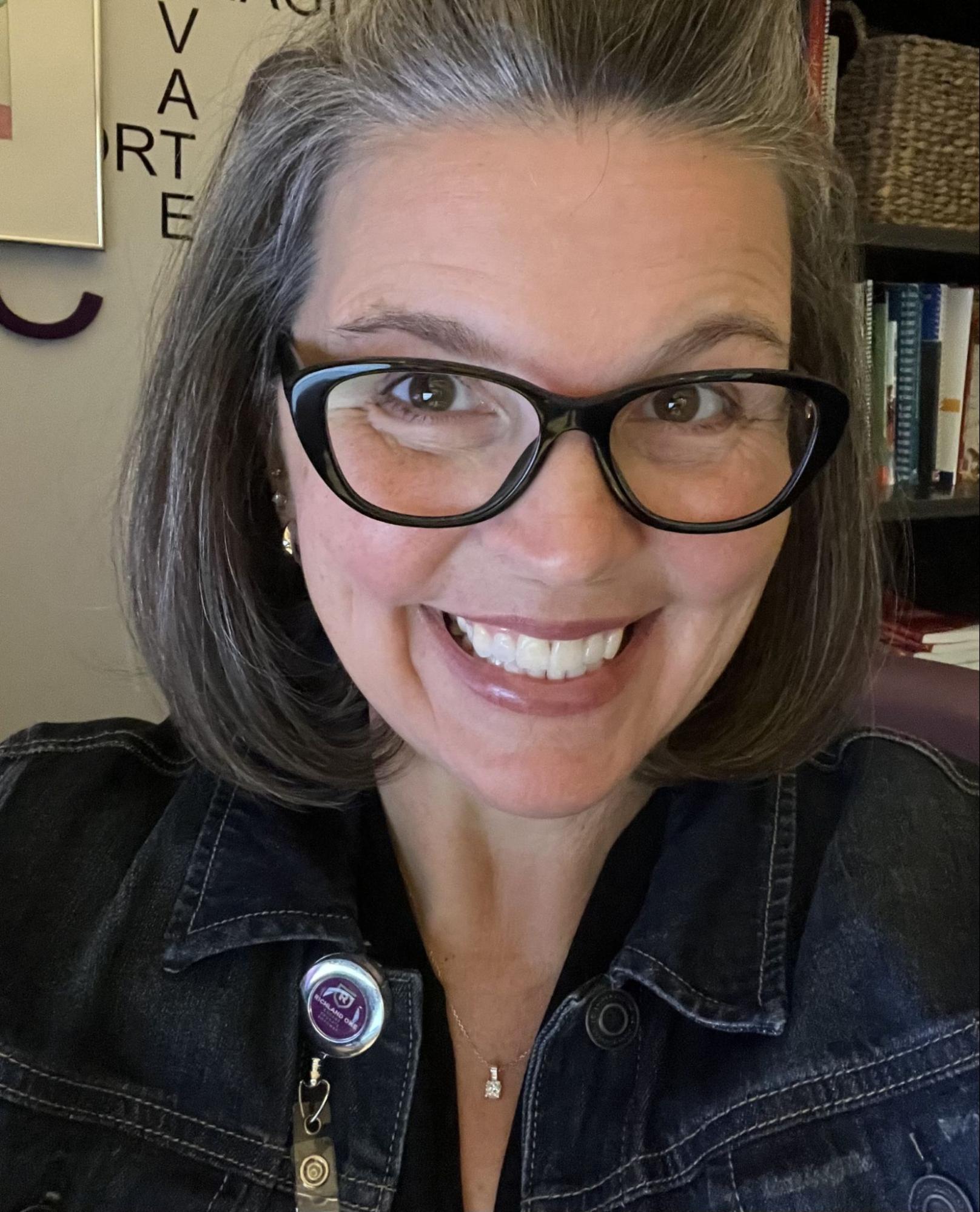
Kimberly Caley is a consultant in the Office of Professional Learning at Richland County School District One. With 26 years of service to South Carolina, she has been committed to fostering educational excellence and empowering students and educators to reach their full potential. Kimberly’s experience spans multiple roles: teacher, math interventionist, math coach, gifted and talented educator, and transformation coach. This field narrative is supported by the Center for Educational Partnerships.